


Homeowners in Columbus, OH know how quickly winter temperatures can drop, with seasonal lows frequently dipping into the twenties. As heating demands rise, so do energy costs, which is why many households are exploring geothermal HVAC as a more efficient long-term solution. A geothermal HVAC system uses stable underground temperatures to deliver steady, reliable heat with significantly less energy.
Here’s how geothermal technology reduces winter heating bills and improves overall system performance throughout the coldest months of the year.
Why Geothermal HVAC Performs Well in Cold Weather
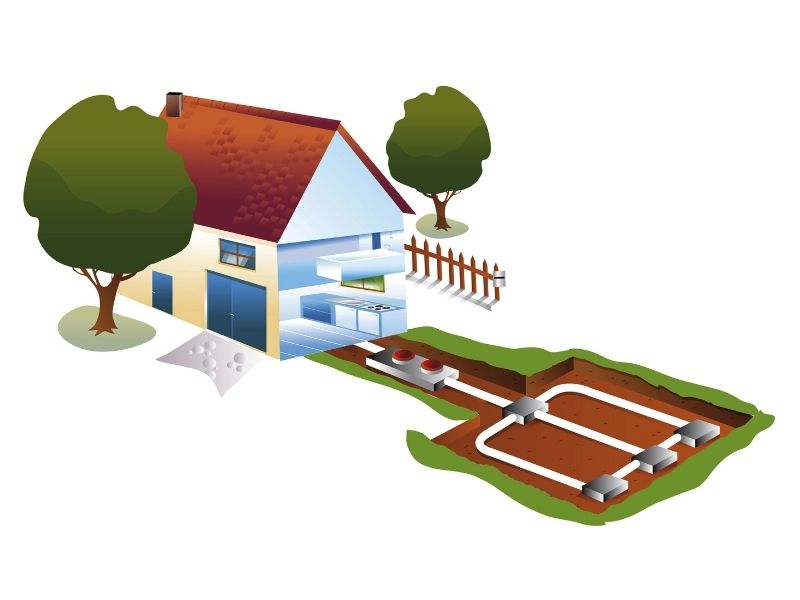
A geothermal HVAC system is a ground-source heat pump that transfers heat from the earth into your home using buried loops. Unlike the outdoor air, which can fluctuate dramatically during an Ohio winter, the ground retains a consistent temperature year-round. Because the system draws from this stable heat source, it operates with far less energy loss.
Traditional air-source systems must pull heat from frigid outdoor air, which forces them to run longer and consume more electricity. Geothermal systems avoid that challenge entirely. Their ability to maintain efficiency regardless of outdoor temperature gives Columbus homeowners a dependable heating option throughout the winter season.
Reduced Energy Consumption Means Lower Heating Bills
Ground-source systems often achieve a higher coefficient of performance (COP), sometimes delivering three to four units of heat for every unit of electricity used. This high efficiency directly reduces winter energy consumption, helping homeowners avoid the steep utility bill increases that are common during long cold spells. Over time, these lower operating costs make geothermal a strong investment for households seeking consistent savings.
Long-Term Cost Advantages in a Cold Climate
A geothermal system benefits from having most of its components located underground, where they’re naturally protected from winter weather. This design minimizes wear and helps maintain performance over many years.
Below are some key reasons geothermal systems offer strong long-term cost advantages:
- Reduced exposure to ice, snow, and freezing temperatures
- Less mechanical strain during peak heating periods
- Fewer repair needs over time due to protected components
- Longer average system lifespan compared to many conventional systems
Geothermal vs. Conventional Heating in Columbus, OH Winters
| Feature | Geothermal HVAC | Conventional Heating |
|---|---|---|
| Winter Efficiency | High, due to ground temps of ~50–55°F | Drops as outdoor air gets colder |
| Operating Method | Transfers heat from the earth | Generates heat through fuel or electric resistance |
| Energy Use | Lower, thanks to higher COP | Higher during cold spells |
| Outdoor Exposure | Underground components protected from weather | Outdoor components exposed to ice, snow, and wind |
| Noise Level | Very quiet | Louder due to outdoor condenser or furnace blower |
| Long-Term Costs | Lower due to stable performance and fewer repairs | Can be higher due to increased winter strain |
With more predictable energy use and reduced outdoor wear, geothermal systems help homeowners manage winter heating expenses while maintaining consistent indoor comfort. Their durability and stability make them an appealing choice for Columbus homeowners planning to stay in their homes for the long term.
Additional Benefits Beyond Energy Savings
Geothermal HVAC also improves indoor comfort. Because the system provides steady heating without rapid temperature swings, the home stays evenly warm even when the temperature outside drops suddenly. Its quiet operation is another benefit, as it eliminates the noise created by outdoor condensers.
Homeowners may also appreciate geothermal’s reduced environmental impact. By relying on renewable thermal energy stored in the ground, geothermal systems require less electricity and avoid fuel combustion. Some utility companies offer incentives for energy-efficient systems, potentially helping reduce installation costs depending on availability.
Bringing Geothermal Comfort Home
Geothermal HVAC offers reliable, efficient heating for the cold winters in Columbus, OH by tapping into the earth’s stable temperatures. Its high winter efficiency, predictable operating costs, and long-term durability make it one of the most effective options for homeowners seeking lower energy bills and improved comfort. If you’re considering an upgrade, Custom Air Heating and Cooling can help you determine whether geothermal is the right solution for your home. Give our air conditioning company a call today to learn more about the installation process and system benefits. We also provide expert furnace repair and heating services to keep your home comfortable year-round.
Frequently Asked Questions About Geothermal HVAC in Columbus, OH
1. How does a geothermal HVAC system work in winter?
A geothermal system uses underground loops to absorb heat from the earth, which remains around 50–55°F year-round in Ohio. The system transfers that heat into your home, allowing it to operate efficiently even when outdoor temperatures drop below freezing.
2. Are geothermal HVAC systems effective in cold climates like Columbus, OH?
Yes. Because geothermal systems draw heat from the ground rather than the outdoor air, their performance remains stable during Ohio winters. This makes them one of the most efficient heating options available for cold climates.
3. How much can geothermal HVAC reduce winter heating bills?
Geothermal systems often operate at 300–400% efficiency due to their high coefficient of performance (COP). By moving heat instead of generating it, they use significantly less electricity, which helps lower monthly heating costs.
4. What temperature is the ground in Ohio during winter?
In most parts of Ohio, ground temperatures several feet below the surface remain close to 50–55°F, even when air temperatures are much colder. This stable temperature is the reason geothermal systems maintain high efficiency in winter.
5. How long does a geothermal HVAC system typically last?
The indoor components often last 20–25 years, while the underground loop system may last 50 years or longer because it’s protected from weather exposure.
6. Do geothermal HVAC systems require a lot of maintenance?
Geothermal systems generally require less maintenance than many conventional systems, largely because their outdoor components are underground and shielded from harsh weather.
7. Is geothermal HVAC quieter than conventional heating systems?
Yes. Geothermal systems do not use a loud outdoor condenser during the heating season, resulting in noticeably quieter operation.
Image provided by iStock